
PRIVATE LABEL & PACKAGING
Build a branded product you can repeat
Private label is more than printing a logo. The product, packaging, market information and repeat-batch expectations need to work together without creating avoidable MOQ, cost or lead-time problems.
We help buyers decide what to customize, what to confirm first and where a simpler route may protect the commercial case.
Before artwork or packaging structure becomes a major commitment, confirm the intended market, sales channel, pack quantity and the information customers need to see. If those decisions are still moving, a simpler presentation can protect timing while the product direction is tested.
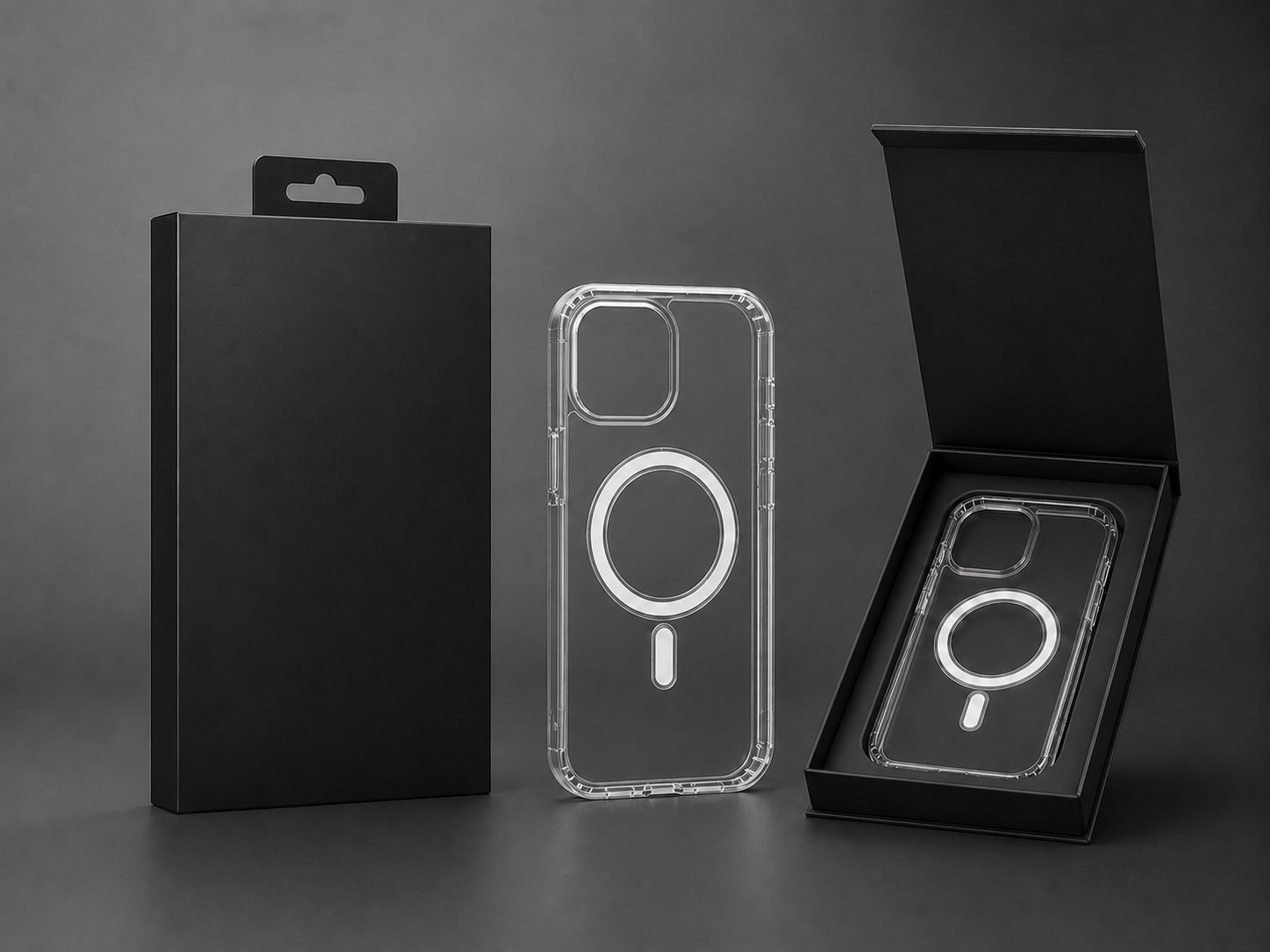
What can be customized
Choose the brand details that support how the product will be sold and replenished.
Logo placement
Position, method, color and surface need to fit the selected product and remain clear on the approved version.
Packaging structure
Box, blister, insert, label and retail presentation should match the product, channel and handling requirements. Consider how many units the pack holds, how it will be presented and what information must remain visible.
Artwork and labeling
Review artwork, barcode placement, market information and compliance information where applicable before production. Keep approved files and language versions together so repeat batches use the same reference.
Program details
Color, bundle, language or accessory changes can affect cost, lead time, MOQ and repeat-batch control. Treat each change as an assumption to review, not an automatic inclusion.
What should be confirmed before packaging?
Validate the product first
Confirm the product direction, intended market, quality level and key performance or compatibility points before investing heavily in packaging artwork or tooling.
Define the information
Agree product naming, barcode or label needs, market language and applicable compliance information. Do not let packaging imply a specification the product has not established.
Set the repeat version
Keep the approved product, artwork and packaging assumptions together so later batches can be compared against a clear reference.
Customization changes the commercial equation
Packaging and branding decisions should be evaluated against the product program, not added automatically. A practical comparison helps show whether customization supports the sales plan or simply adds work before the product is proven.
MOQ
Separate product MOQ from packaging or print MOQ. A custom component may require a larger commitment than the product itself.
Cost
Compare artwork, materials, setup, assembly, freight and the cost of changing an unproven product after packaging is made.
Lead time
Artwork approval, packaging production and assembly can add steps. Confirm what must be ready before the order can move.
From product approval to branded production
- Choose the product direction and confirm the intended market.
- Review the specification, sample and quality priorities.
- Agree logo, artwork, packaging structure, labels and applicable information.
- Confirm MOQ, cost and lead-time assumptions before approving packaging work.
- Hold the approved product and packaging version for repeat batches.
This sequence helps keep packaging investment proportional to product confidence. It also gives the buyer a clearer point for reviewing later changes to artwork, packaging and product details.
Planning a private-label range?
Share the product, market, packaging direction, quantity and main concern. We can help identify what should be confirmed first.